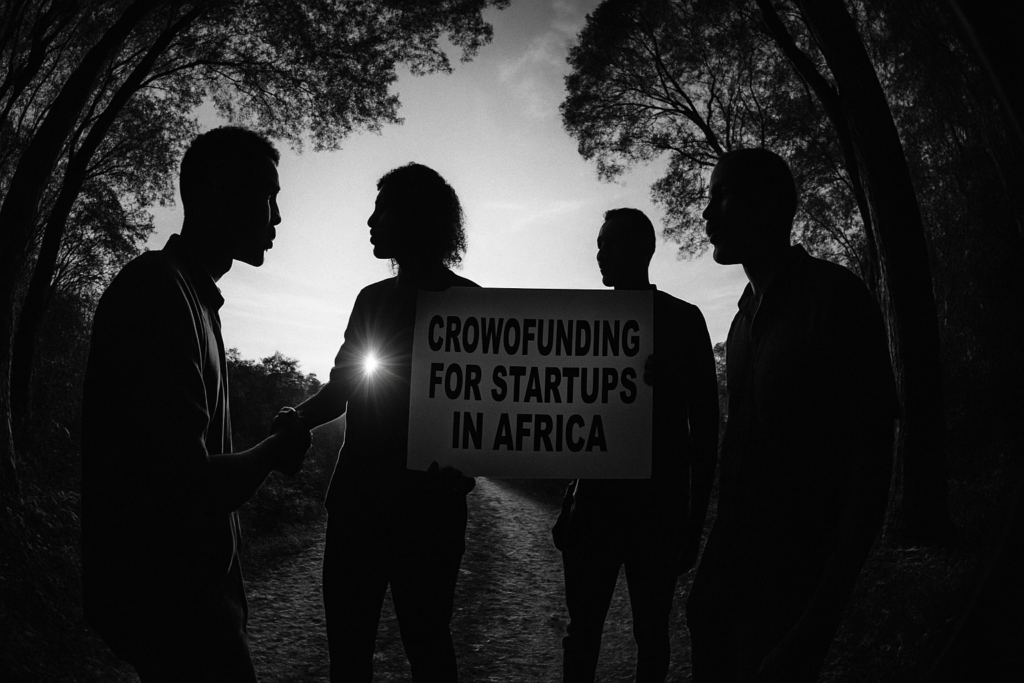
Eye on the Global Funding Landscape
2026 isn’t a repeat of the last cycle. The rules are bending, and the map is expanding. Fundraising is no longer tethered to Sand Hill Road. While Silicon Valley still has weight, the real action is happening everywhere else.
Asia’s venture capital scene is scaling fast, backed by sovereign wealth and infrastructure driven funds. Investors there are betting big on AI, climate tech, and industrial automation and they’re writing checks sooner and faster.
Europe, on the other hand, is going cerebral. Deep tech and research first startups are getting real backing, especially in Germany, the Nordics, and France. IP rich ventures finally have patient capital lining up.
Then there’s MENA: bold, aggressive, and throwing early stage fuel onto the fire. With new funds launching and public private initiatives gaining ground, startups from Nairobi to Abu Dhabi are finding first check power in places few looked five years ago.
For founders, that means options and competition. Geography doesn’t restrict ambition anymore, but it does shape strategy. If you want to raise, you need to know where the capital is, what it’s chasing, and how to anchor your pitch to the local mindset.
What International Investors Are Looking For
Startups chasing international capital in 2026 need to bring more than hype. Founders who understand how to expand beyond borders who’ve done the gritty work of testing markets, navigating regulations, and adapting messaging stand out fast. Global fluency isn’t a bonus anymore. It’s the entry fee.
Traction speaks louder than pitch decks. Investors want evidence that a startup isn’t just a good story, but a scalable engine. That means hitting key milestones in real settings not hypothetical projections, but actual revenue lift, user base growth, or partnerships in new markets. Data wins meetings, not just charisma.
Cultural fluency is the x factor. A one size fits all launch won’t cut it from Berlin to Jakarta. Startups that win invest in local insights: hiring regional experts, tailoring features to behaviors, and respecting how trust is built in each geography. Local doesn’t mean small it means smart.
Finally, not all international investors come with the same playbook. Some are strategic corporates looking to access innovation that aligns with their roadmap. Others are institutional funds chasing returns, eyeing scale potential and exit paths. And there are network driven backers, often diaspora linked or regionally embedded, who bring more than money: connections, legitimacy, and cross border grease.
Here’s a deeper breakdown of international investor types to know before you pitch across time zones.
How to Stand Out on the Global Stage
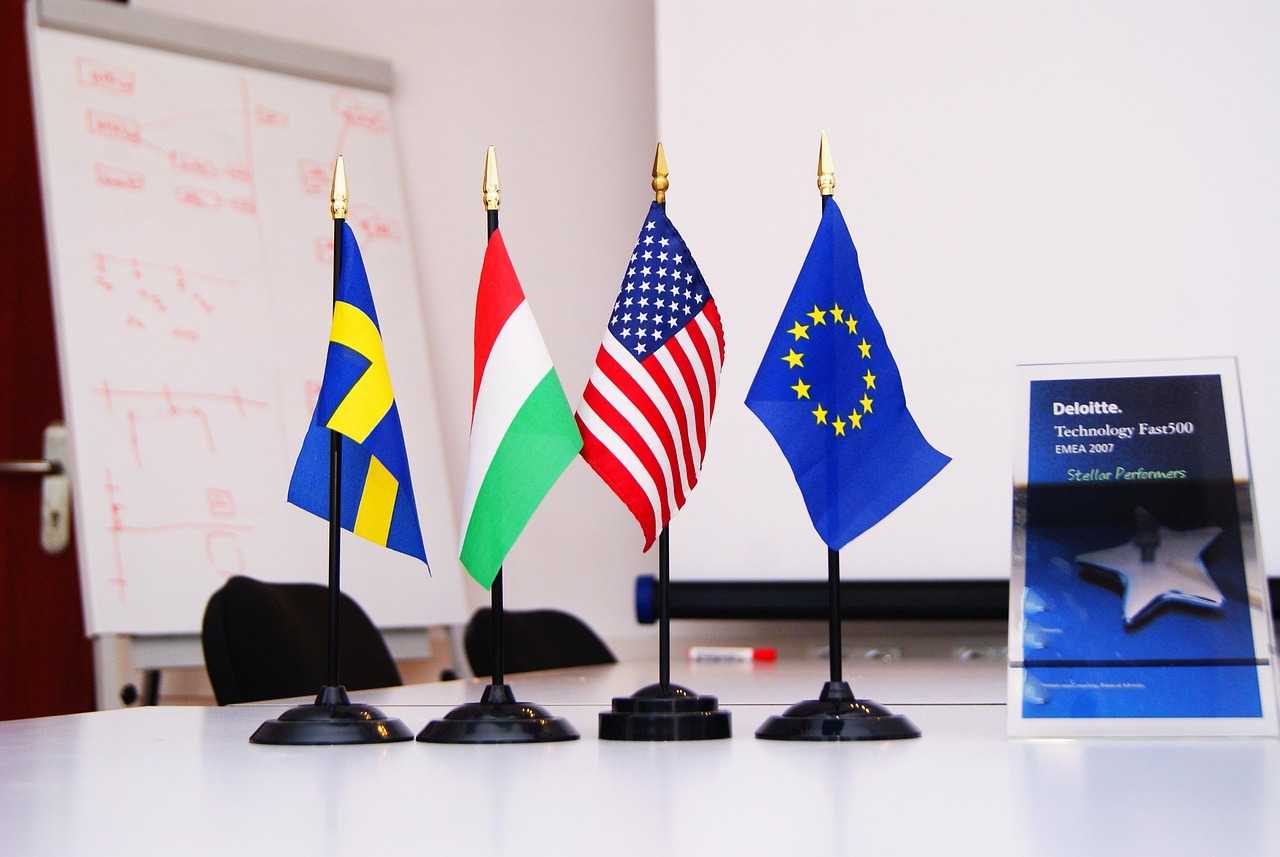
Pitching to global investors isn’t about rewriting your story it’s about reshaping it to resonate across time zones. The best pitches don’t try to dazzle everyone. They’re rooted in clarity, traction, and cultural fit. Tailor your message for the market, not the lowest common denominator. Define your core vision, then swap in region specific proof points. One deck, multiple lenses. That’s how you travel without diluting.
Now the legal stuff. Yes, Delaware C corps are common but they’re not a cure all. Some investors are starting to question U.S. centric structures, especially for startups with real business in Europe, Asia, or MENA. Choosing the right legal home can ease regulatory headaches and unlock local grants, tax breaks, and capital. Bottom line: make sure your cap table and governance don’t scare off foreign capital.
From there, show you’ve thought globally at the product level. A localized UI, international compliance blueprints, multi currency payments these details signal readiness. Nobody wants to back a product that needs a full rebuild to scale abroad. Invest early in infrastructure the world can use.
Finally, find partners with boots on the ground. Credibility compounds fast when regional players are in your corner be it a respected angel syndicate in Jakarta or a B2B distributor in Berlin. Don’t force expansion solo. Partner smart, and your startup travels farther.
Strategic Moves That Attract Capital
Accelerators are fine but in 2026, they’re not your endgame. Savvy startups are tapping into cross border syndicates and running sharp virtual demos designed specifically for international investors. These aren’t general pitchathons. They’re curated sessions focused on sector, region, and deal readiness. The goal isn’t just exposure it’s access to decision makers who aren’t scrolling through LinkedIn looking for their next investment.
Diaspora networks are another underused edge. Founders with cultural ties across regions are leaning into those communities for warm intros, localized insight, and credibility. Investors trust someone who understands both ends of the runway especially when entering emerging markets or navigating unfamiliar regulatory terrain.
Here’s what many get wrong: treating due diligence like an afterthought. If you want global capital, act like a global company. That means having your data room clean, metrics in order, and compliance up to scratch. Vague projections or messy cap tables are fast exits from serious conversations.
Finally, don’t pitch randomly. Do your research. International investors aren’t one size fits all. Some push hard into fintech, others into food tech. Some want early traction, others want MVP stage risk. Use resources like this guide to top international investors to find the right fit for your stage, industry, and goals.
Execution beats theory. Make smart moves and stay intentional.
Final Edge: Global Mindset
Startups that win global capital in 2026 won’t wait until expansion to think globally they’ll launch that way. That means building your team, product, and processes as if you’re already operating across borders. Using English as your internal default, adopting remote collaboration tools, and setting flexible working hours are not just practical they signal readiness to international investors.
Timezone gaps and language differences? They’re often seen as friction, but smart startups flip them. Let teams hand off work across continents for round the clock productivity. Use localization as an edge, not an afterthought. A version of your platform in Spanish or Hindi from day one tells investors you understand markets beyond your backyard.
It also pays to understand what drives investors in different regions. A VC in Japan may emphasize long term trust; one in Berlin may focus on intellectual property. In the Gulf, access matters as much as product. Adapt your pitch and negotiation style accordingly.
And finally be ready to pivot. A marketing tactic that crushes it in Canada might flop in Indonesia. Flexibility isn’t a nice to have; it’s survival. The companies that stay agile while staying true to their core will be the ones that scale across borders and book the bigger rounds.
Keep your strategy sharp and borders open. That’s how 2026 startups go global and get funded.
 Founder & CEO
Shirleyenn Williamsuns is the visionary founder and CEO of our business, bringing over two decades of leadership experience to the table. With a passion for innovation and strategic growth, she has guided the company from its inception to its current success. Shirleyenn is known for her dynamic approach to business development and her dedication to fostering a collaborative and forward-thinking team environment. Under her leadership, the company has expanded its reach and continues to set new benchmarks for excellence in the industry.
Founder & CEO
Shirleyenn Williamsuns is the visionary founder and CEO of our business, bringing over two decades of leadership experience to the table. With a passion for innovation and strategic growth, she has guided the company from its inception to its current success. Shirleyenn is known for her dynamic approach to business development and her dedication to fostering a collaborative and forward-thinking team environment. Under her leadership, the company has expanded its reach and continues to set new benchmarks for excellence in the industry.