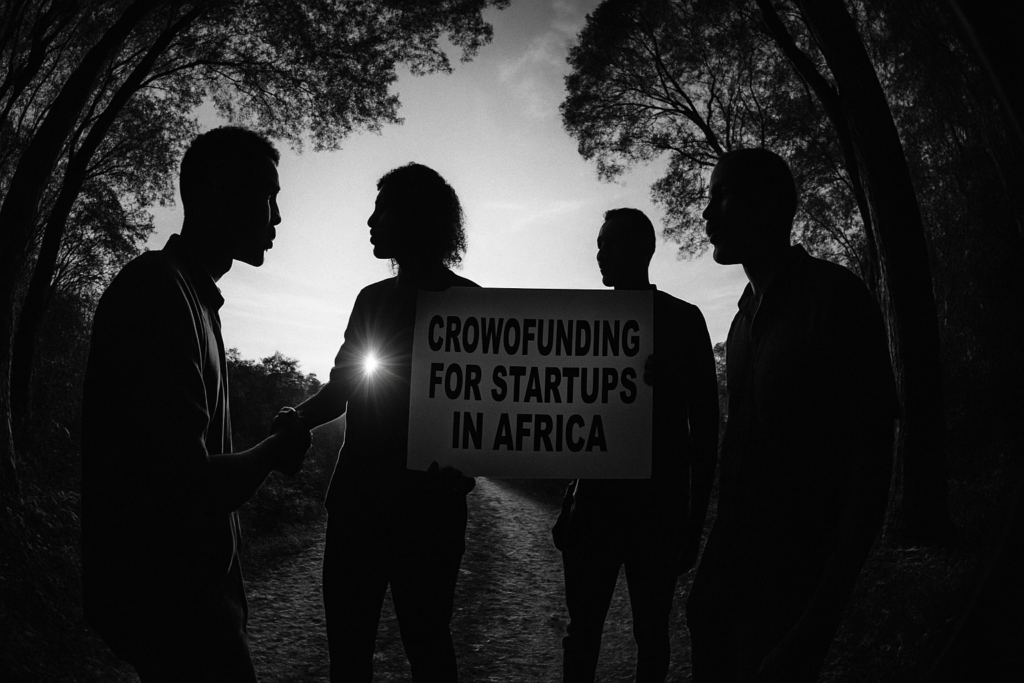
Why Local Capital is Gaining Ground
For years, funding for African startups leaned heavily on international investors often well intentioned, but distant from the realities on the ground. That’s changing. As digital infrastructure improves across the continent, and entrepreneurial success stories gain traction, local capital is stepping up. We’re seeing a shift from dependence to empowerment, rooted in regional knowledge and public private ambition.
This movement isn’t isolated. African led venture capital firms are multiplying. Public sector programs are getting sharper. Countries like Nigeria, Kenya, and South Africa are launching initiatives tailored to their startup ecosystems, betting that homegrown ideas need homegrown backing to scale honestly and efficiently.
Localization isn’t just about pride it’s strategic. Investors and governments based in Africa understand cultural cues, logistical quirks, and the soft challenges that global backers sometimes overlook. The result? Smarter funding, tighter community ties, and a better shot at solving regional problems with regional solutions.
Leading Public Sector Funding Initiatives
Public sector programs across Africa are stepping up to foster innovation, especially at the early stages where capital is hardest to secure. Three standout initiatives are changing the funding dynamic on the continent.
The Tony Elumelu Foundation Entrepreneurship Program is one of the largest and most structured. Since its launch, it has backed over 15,000 African entrepreneurs with $5,000 in seed capital, intensive business training, and ongoing mentorship. It’s open to citizens of all 54 African countries, with selection hinged on business potential, market feasibility, and scalability. The application process is rigorous but transparent strong ideas built around local relevance tend to rise.
In Kenya, the Youth Enterprise Development Fund is a flagship initiative aimed at tackling youth unemployment through entrepreneurship. Backed by the government, the fund targets individuals aged 18 34 with loans, grants, and business training. It’s particularly favorable for first time founders operating in agriculture, retail, and creative industries. Accessing the fund typically requires a solid business plan, proof of training or mentorship, and sometimes, group based applications for community based ventures.
Nigeria’s Innovation Fund under the National Information Technology Development Agency (NITDA) is more tech focused. It supports startups developing digital solutions in sectors like healthtech, edtech, agritech, and fintech. Funding can come in the form of grants or co investment opportunities. The fund looks for startups that demonstrate clear use of technology in solving national problems, a scalable model, and a dedicated team. Being plugged into Nigeria’s tech ecosystem hub partnerships, demo days, or accelerators can improve access odds.
Across all three, the strategy is clear: define your value, validate it locally, and show you’re ready to grow. These programs aren’t just about money they’re looking for founders ready to build long term impact.
Key Private and Pan African Investors to Know
Private capital isn’t just flowing it’s sharpening its focus. In Africa’s current startup landscape, being seen by the right funders can make all the difference.
Flutterwave’s Launchpad Fund is stepping up as a heavy hitter, dialing in on fintech and commerce. The fund is tailor made for African founders solving real payment and logistics pains. Flutterwave isn’t just handing out checks they’re building a strategic pipeline that channels funding, mentorship, and infrastructure to help founders scale across borders faster.
Meanwhile, VC4A and the African Business Angels Network (ABAN) are doing things more community style. They’re cultivating a startup ecosystem that prioritizes mentorship as much as capital. Their network based approach gives startups early traction and technical guidance, with access to angel investors who get the market nuances others often miss.
Finally, GreenTec Capital Partners (DACH Africa) is investing with a clear lens: sustainability meets scalability. They’re especially interested in startups with measurable impact, whether that’s clean energy, circular economy, or agritech innovation. Their model mixes funding with hands on advisory, targeting long term capacity building over quick exits.
Each of these players brings more than money they’re shaping the startup playbook for African founders ready to build products that last, not just pitch decks that win.
Strategic Collaborations and Accelerators

Startups in Africa looking to scale don’t have to go it alone. A wave of accelerator programs is stepping in not just with cash, but with hands on support.
Google for Startups Accelerator: Africa is geared toward high potential startups using technology to solve real problems. This isn’t just about getting your foot in the door with Google engineers. It’s deep tech development, access to mentorship at scale, and doors opening to VC networks that matter. For early founders in AI, cloud, or machine learning, this program cuts through the clutter.
The MEST Africa Challenge leans more into early stage growth. Startups chosen get a fusion of training, exposure, and seed funding. What sets MEST apart is its strong presence in local ecosystems. They understand how to pair technical skill with business readiness a combo many startups struggle to master.
If you’re building in education, the Injini EdTech Accelerator is one to know. It’s focused, relevant, and sharply aware of the continent’s unique learning challenges. Startups here get access to user testing, curriculum experts, and networks within both public and private education sectors. It’s not flashy, but it’s real and needed.
These accelerators are less about Silicon Valley hype, more about traction in African markets. They don’t just push mentorship they build context, and that’s where real growth starts.
Funding Beyond Borders
Africa’s startup scene isn’t just growing it’s crossing oceans. While local teams are tapping into homegrown funding, many are also securing dollars from international grant programs. These global opportunities don’t just offer cash; they bring exposure, credibility, and often, built in mentorship.
Forward thinking founders are learning to navigate requirements from international development bodies, foreign governments, and global institutions with startup arms. It’s about knowing where to look, how to tell a compelling story, and what metrics to track. Programs focused on sustainability, digital inclusion, and economic development are particularly active in supporting African talent.
Smart entrepreneurs aren’t choosing between local and global they’re doing both. For breakdowns of the top international offerings, check out this guide on global grant programs.
What Startup Founders Need to Do Now
Before any funding comes through the door, the prep work starts long before you hit “submit.” A standout application begins with clarity. Know what the fund is about, and don’t try to bend your story to fit. Instead, apply to programs where your startup’s mission already aligns naturally. This improves your odds and saves everyone time.
Next, dig into the details. Look at previous winners. Study the metrics funders care about whether that’s user growth, traction in rural markets, or tech scalability. Many programs are transparent about their priorities. Use that to your advantage.
Building relationships with funders does more than improve visibility it gives insight. Attend pitch events, follow program directors on professional platforms, and engage genuinely. Keep them updated even if you’re not applying this round. Funding often starts with familiarity.
Finally, timing matters. Some programs have tight windows or specific annual cycles. Keep a tracker and plan backwards. Rushed applications look sloppy and can stand out for the wrong reasons. When you do it right, your proposal doesn’t just tick boxes it tells a story they want to invest in.
Keep an Eye on the Bigger Picture
African innovation isn’t just catching up it’s starting to lead. Investors, institutions, and global partners are now paying close attention. From clean energy to agri tech to fintech, startups across the continent are building lean, clever solutions that solve real problems. But standing out means more than having a smart idea. Your story needs to be fund ready.
That starts with clarity. Can you explain your impact in one sentence? Are your numbers sharp and your milestones believable? Whether you’re pitching in Lagos or applying for a global challenge in Berlin, the goal is the same: convey value, scalability, and purpose fast.
The smartest founders are no longer choosing between local or international funding. They’re doing both. Use regional programs for early traction and networks. Tap into global grant programs when you’re ready to scale. This dual approach creates resilience and opens doors to new markets. Just remember: grants are not lifelines they’re fuel. What you do when you land one is what counts.
 Chief Marketing Officer (CMO) & Unique Author
Annamae Solanoric is the Chief Marketing Officer and a distinctive voice within the company as a unique author. Combining her passion for storytelling with her deep expertise in branding and digital marketing, she not only leads the company’s marketing strategies but also crafts compelling narratives that engage and inspire audiences. Her work as an author has been widely recognized, and she seamlessly integrates her creative vision into building the company’s brand. Annamae’s leadership in both marketing and content creation drives innovation and helps establish strong connections with clients and partners alike.
Chief Marketing Officer (CMO) & Unique Author
Annamae Solanoric is the Chief Marketing Officer and a distinctive voice within the company as a unique author. Combining her passion for storytelling with her deep expertise in branding and digital marketing, she not only leads the company’s marketing strategies but also crafts compelling narratives that engage and inspire audiences. Her work as an author has been widely recognized, and she seamlessly integrates her creative vision into building the company’s brand. Annamae’s leadership in both marketing and content creation drives innovation and helps establish strong connections with clients and partners alike.